
Full-disk encryption is widely seen as a baseline security control. If a device is lost or stolen, the data should remain unreadable; that’s the promise.
But a recent report revealed something many organizations overlook:
In some architectures, encryption only protects your data until someone with the master key is asked to unlock it.
In January 2026, Microsoft confirmed that it provided BitLocker recovery keys to the FBI under a valid legal order, allowing law enforcement to decrypt the full contents of encrypted laptops (Forbes).
It wasn’t a breach, nor was it a hack. It was encryption working exactly as designed, but that’s the problem.
🔐 If One Key Can Unlock Everything, Your Data Isn’t Truly Protected.
See how data-centric security removes master keys and limits blast radius when systems, credentials, or platforms are compromised.
The Tradeoffs of Full Disk Encryption
BitLocker is a full-disk encryption system built into Windows. On modern systems, it’s often enabled by default.
What many organisations don’t realise is that:
- BitLocker recovery keys are frequently backed up to Microsoft’s cloud by default
- If Microsoft holds the recovery key, Microsoft can be compelled to hand it over
- Whoever holds that key can decrypt 100% of the data on the device
That means encryption becomes conditional:
- Conditional on legal jurisdiction
- Conditional on key custody
- Conditional on trust in a third party
This is not unique to Microsoft; it’s a broader industry pattern, but the case makes the trade-off visible.
The Core Issue Isn’t Law Enforcement, It’s Architecture
This discussion often gets framed as a privacy or government-access debate. But for security teams, the more important question is architectural:
So, who ultimately controls decryption?
If a single recovery key can unlock:
- Every file
- Every document
- Every export-controlled asset
- Every regulated record
…then encryption only protects against some threats, not all.
And critically:
- A stolen device
- A compromised admin account
- A legal request
- Or a cloud breach
…can all result in total data exposure.
Full-Disk Encryption Protects Devices, Not Data
This is where many security strategies quietly break down.
Full-disk encryption is excellent for:
- Lost laptops
- Physical theft
- Opportunistic access
But it does nothing to protect data:
- After login
- After access is granted
- After files are copied, synced, or shared
- After credentials are compromised
Attackers don’t steal laptops for the hardware; they steal them for the files. And once the disk is unlocked, the data is fully exposed.
This is part of a wider problem where valid access quietly becomes a data risk, even when no security controls appear to have failed.
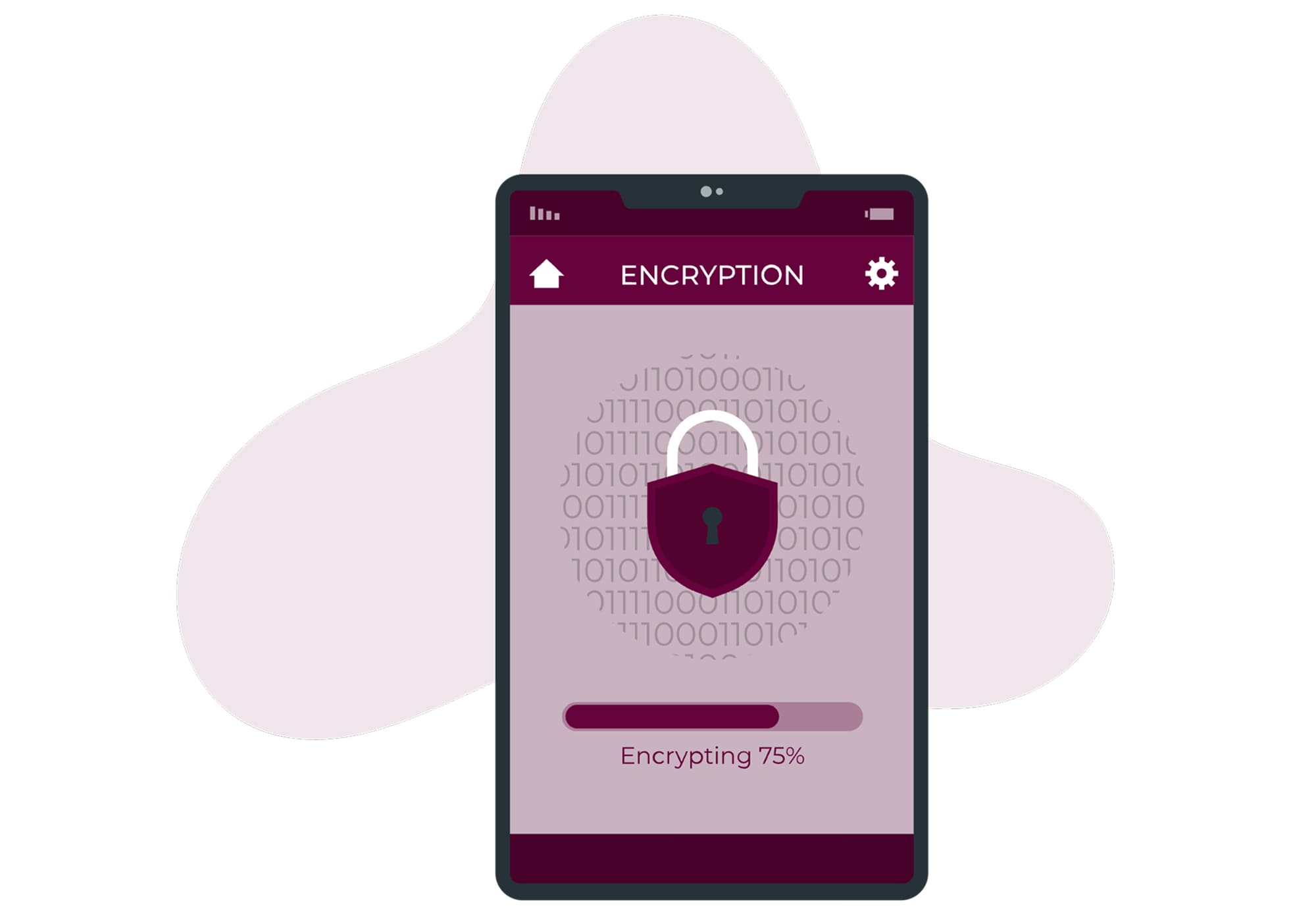
The Master Key Problem
Any system with a master recovery key introduces a single point of failure:
- One key unlocks everything
- Access is binary: locked or fully open
- There is no proportional control
- There is no way to make stolen data useless
This model clashes with modern realities:
- Cloud collaboration
- Remote work
- Compliance requirements
- Breaches that assume valid access
If one key can decrypt everything, the blast radius is unlimited. This is why many teams discover that even encrypted files remain at risk once access exists, especially in cloud and collaboration environments.
What Data-Centric Security Does Differently
Data-centric security flips the model:
- Encryption is applied per-file, not per device
- Access is evaluated every time a file is opened
- Decryption is context-aware and temporary
- There is no single key that unlocks everything
Even if:
- A device is compromised
- Credentials are stolen
- Encrypted files are downloaded in bulk
…the data remains protected unless access is explicitly allowed. And critically, no master key silently bypasses all controls.
Why This Matters for Compliance and Risk
For organizations subject to ITAR, CMMC, DCC, or similar regimes, this matters.
Regulators want to know:
- Was sensitive data protected?
- Could it be accessed or disclosed?
- Can you prove it remained encrypted?
A system where one recovery key can decrypt everything is difficult to defend under scrutiny.
Encryption Isn’t Binary Anymore
The lesson from the BitLocker case isn’t “don’t use BitLocker.” It’s that encryption without control is incomplete security.
Modern threats don’t break encryption; they walk around it. And the only way to close that gap is to protect data at the level attackers actually care about: the file itself.
🔐 Don’t Just Encrypt Devices, Control the Data!
Protect sensitive files even when systems, credentials, or platforms are compromised.
FAQs: Encryption, Master Keys, and Data Security
Does BitLocker encryption still provide value?
Yes. It protects against physical theft and device loss, but it does not protect data once access is granted.
Is this a Microsoft-specific issue?
No. Any system where a third party holds decryption keys introduces a similar risk.
Why is a master key dangerous?
Because it creates an unlimited blast radius. One key can unlock everything.
How is file-level encryption different?
Each file is encrypted independently, access is verified continuously, and there is no universal unlock.
Can encryption alone prevent data breaches?
Not if decryption is easy or automatic once access exists. Control matters as much as encryption.